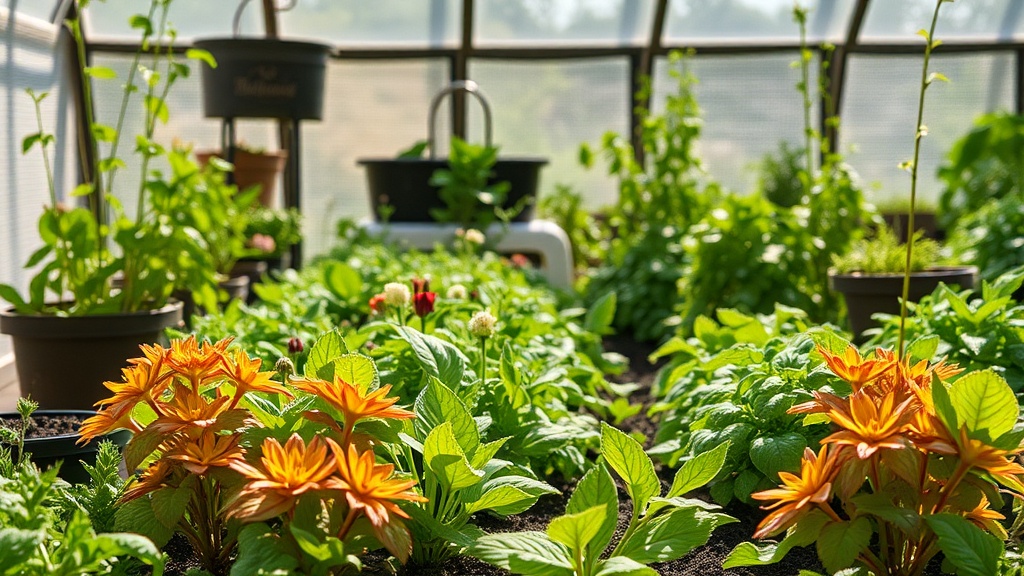
Growing Green: Successful Gardening in Casselman's Unique Climate

Growing Green: Successful Gardening in Casselman's Unique Climate
Many believe that cultivating a thriving garden in Casselman is an uphill battle, primarily due to our region’s distinct weather patterns and shorter growing season. This isn't entirely true. With a thoughtful approach and an understanding of our local conditions, anyone can achieve remarkable gardening success—transforming their yard into a vibrant, productive space. This guide offers practical advice and strategies tailored for Casselman’s gardeners, covering everything from soil preparation and plant selection to season extension techniques, ensuring your efforts yield bountiful results and connect you more deeply with our local environment.
What are the secrets to starting a garden in Casselman?
The foundation of any successful garden in Casselman begins long before the first seed is sown. Our climate, characterized by cold winters and a relatively brief frost-free period, demands specific considerations right from the outset. Overlooking these initial steps can lead to frustration, while embracing them sets you up for flourishing beds and bursting baskets.
Understanding Your Zone and Soil
First, it's paramount to understand Casselman’s plant hardiness zone. Most of our area falls within Zone 4b or 5a, meaning we need to select plants capable of surviving our winters. This isn't just about perennials; it also influences when you can safely plant annuals and vegetables.
Next, focus on your soil. Casselman’s soil can vary, but often contains a good amount of clay, which can be dense and slow to drain. A soil test is a worthwhile investment—it reveals nutrient deficiencies and pH levels, providing a roadmap for amendments. You can often get these tests done through local agricultural services or even some garden centers. Improving soil structure and fertility is a continuous process. Incorporate generous amounts of organic matter—compost, well-rotted manure, or leaf mold—to lighten heavy clay, improve drainage, and enhance water retention in sandier soils. This creates a living, breathing foundation that feeds your plants naturally.
Choosing the Right Plants for Our Conditions
Plant selection is arguably the most critical decision for Casselman gardeners. Forget trying to force tropical varieties; instead, embrace the resilience and beauty of plants that naturally thrive here. Look for terms like “cold-hardy,” “short-season,” or “early maturing” on seed packets and plant tags. Native plants, in particular, are excellent choices as they are inherently adapted to our climate, soil, and local pest pressures. They also support local pollinators and wildlife, contributing to a healthier ecosystem right in your backyard.
- Vegetables: Opt for quick-growing varieties of lettuce, spinach, radishes, peas, bush beans, carrots, and potatoes. Tomatoes, peppers, and squash can also succeed with an early start indoors.
- Perennials: Consider hostas, daylilies, coneflowers, astilbes, and many varieties of hydrangeas and spiraea.
- Annuals: Petunias, marigolds, impatiens, and snapdragons are reliable choices for continuous color.
For more detailed information on plant hardiness zones in Canada, the