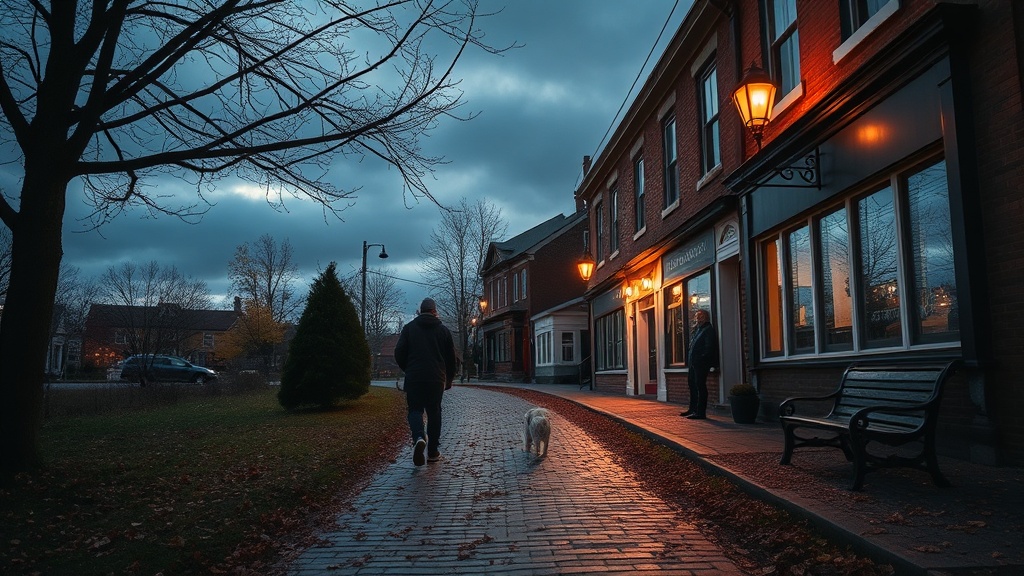
Footprints in Time: Uncovering Casselman's Rich Heritage on Foot

Did you know Casselman holds a rather unique distinction in Ontario's municipal landscape? It's one of the few places that—despite the widespread amalgamations of the late 20th century—chose to remain an independent "enclave," entirely surrounded by its larger neighbor, The Nation municipality. This steadfast spirit, a quiet determination to maintain its own identity, isn't just a modern phenomenon; it’s woven deep into the fabric of our village's past. Casselman is a place brimming with stories, tales of pioneers, industry, resilience, and community that have shaped it into the vibrant hub it is today. This guide invites you to step back in time, to walk the very streets where history unfolded, and to uncover the rich heritage that lies just beneath the surface of our charming village.
Our journey through Casselman's past isn't merely about old buildings or dusty archives; it's about understanding the very foundations upon which our community was built. It’s about appreciating the ingenuity of its founders, the grit of those who rebuilt it, and the cultural vibrancy that defines it. Lace up your walking shoes, grab a coffee from a local café, and prepare to discover the layers of history that make Casselman, Ontario, such a special place to call home—or to visit.
What secrets do Casselman's earliest days hold?
Every town has a beginning, and Casselman's roots run deep, largely thanks to a man named Martin Casselman. A descendant of United Empire Loyalists, Martin first stumbled upon the area during a hunting expedition along the South Nation River in 1832. He saw more than just game; he envisioned possibility. By 1844, he had purchased 1,600 acres of land, setting the stage for what would become our village. The South Nation River, with its strategic "High Falls," was the initial lifeblood, powering his sawmill and fueling the burgeoning timber industry that first put Casselman on the map.
The village's early economy revolved around the vast forests that surrounded it. Lumber was king, and the river served as the highway, transporting logs to markets. This era of rugged industry fostered a tight-knit community, where hard work and collaboration were everyday necessities. But as with many burgeoning settlements, true transformation often arrives on tracks. The year 1882 marked a pivotal moment: the Canada Atlantic Railway steamed into town. Suddenly, Casselman was no longer a remote timber outpost; it became a crucial transit point, connecting Ottawa and Montreal. This influx of goods, people, and ideas reshaped the village, bringing new opportunities and accelerating its growth beyond Martin Casselman's wildest dreams. You can still feel the echo of those early days when you stand by the South Nation River, imagining the busy lumber camps, or when you visit the historic railway station, a testament to the iron horse that changed everything. For more insight into Casselman’s origins, explore the official